Voices Helping Shape the Future of AI Ethics in Latin America
Confirmed Speakers
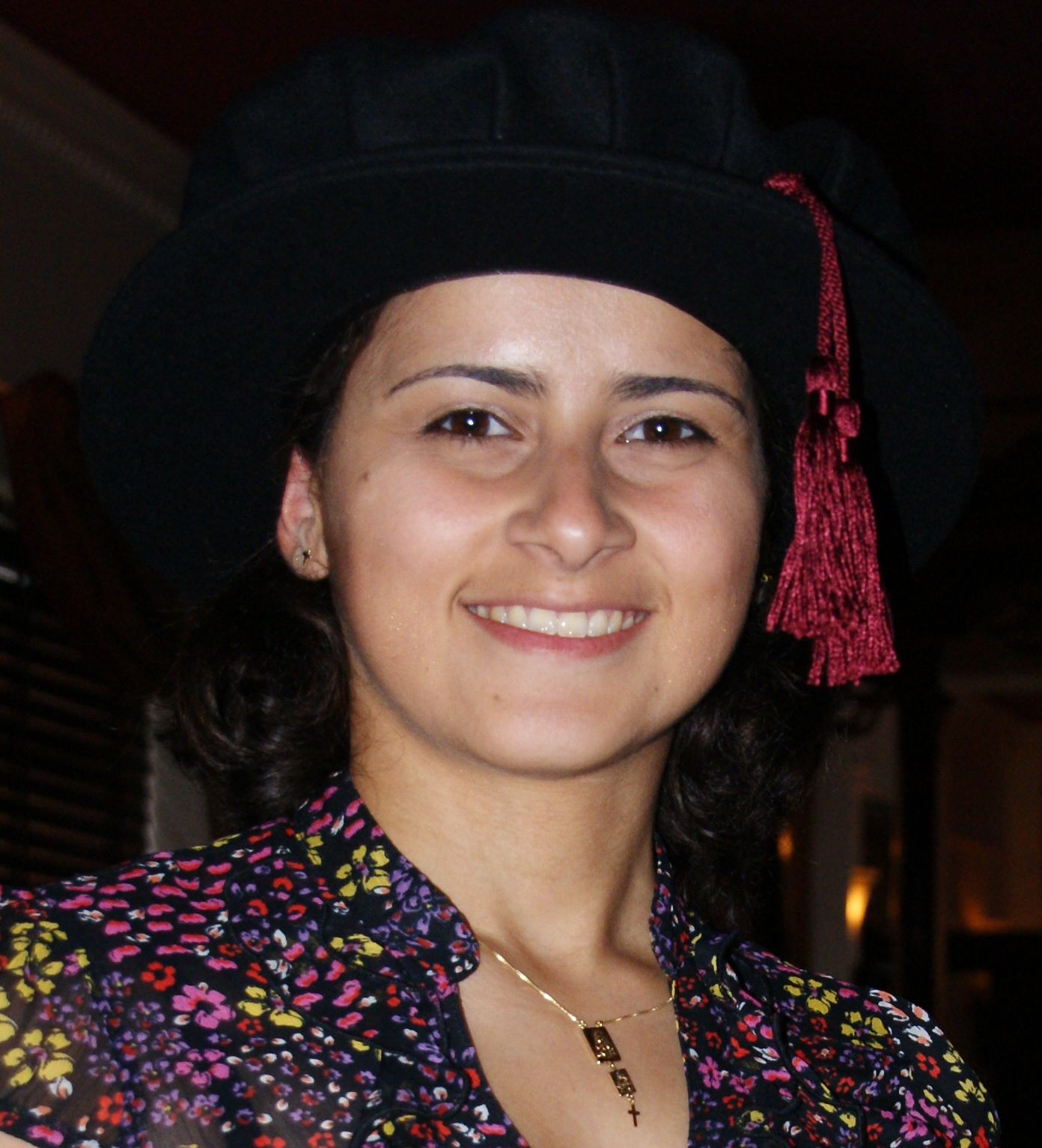
Dr. Márjory Da Costa-Abreu
🏛️ Sheffield Hallam University
🇬🇧 United Kingdom
Talk
Childhood for sale? Profit-Driven AI, the ECA Digital, and our duty to protect the next generation
Abstract
From social media feeds and recommendation systems to chatbots, educational platforms, games, and biometric technologies, a specific type of AI is increasingly influencing how children learn, communicate, develop relationships, and understand the world. Yet most of these systems are not designed primarily for children's wellbeing, but rather to maximise brain rot, data collection/surveillance, and profit.
This talk will open a discussion regarding the growing tension between profit-driven AI models and children's rights through the lens of Brazil's ECA Digital. The new legislation represents an important shift from reactive protection towards a rights-based approach that places the safety, privacy, dignity, and healthy development of children and adolescents at the centre of digital design.
The discussion will explore how profit-driven AI can affect children's cognitive, emotional, and social development through persuasive design, behavioural profiling, targeted content, algorithmic amplification, and excessive data collection. Particular attention will be given to key provisions of the ECA Digital, including age verification, security by default, parental supervision tools, protection against targeted advertising, and stronger content moderation mechanisms.
Short Bio
Márjory is an Associate Professor (Reader) in Ethical Artificial Intelligence at Sheffield Hallam University (UK). She is the theme lead of "Responsible Ethical and Life-Centred AI" at the Centre of Excellence for AI and Robotics. Her main area of research is ethical artificial intelligence, more specifically, data-driven computing and responsible explainable AI applied to user data analysis of biometrics (face analysis, emotion prediction, keystroke, mouse and touch dynamics, fingerprint, handwritten text, signature and voice/speech) in surveillance, healthcare and public health as well as legal and education (literacy) of the uses of AI. She is an activist on public engagement where AI is the topic as well as regulation of AI and Digital Law. She is a FEMINIST and a supporter for women in science.
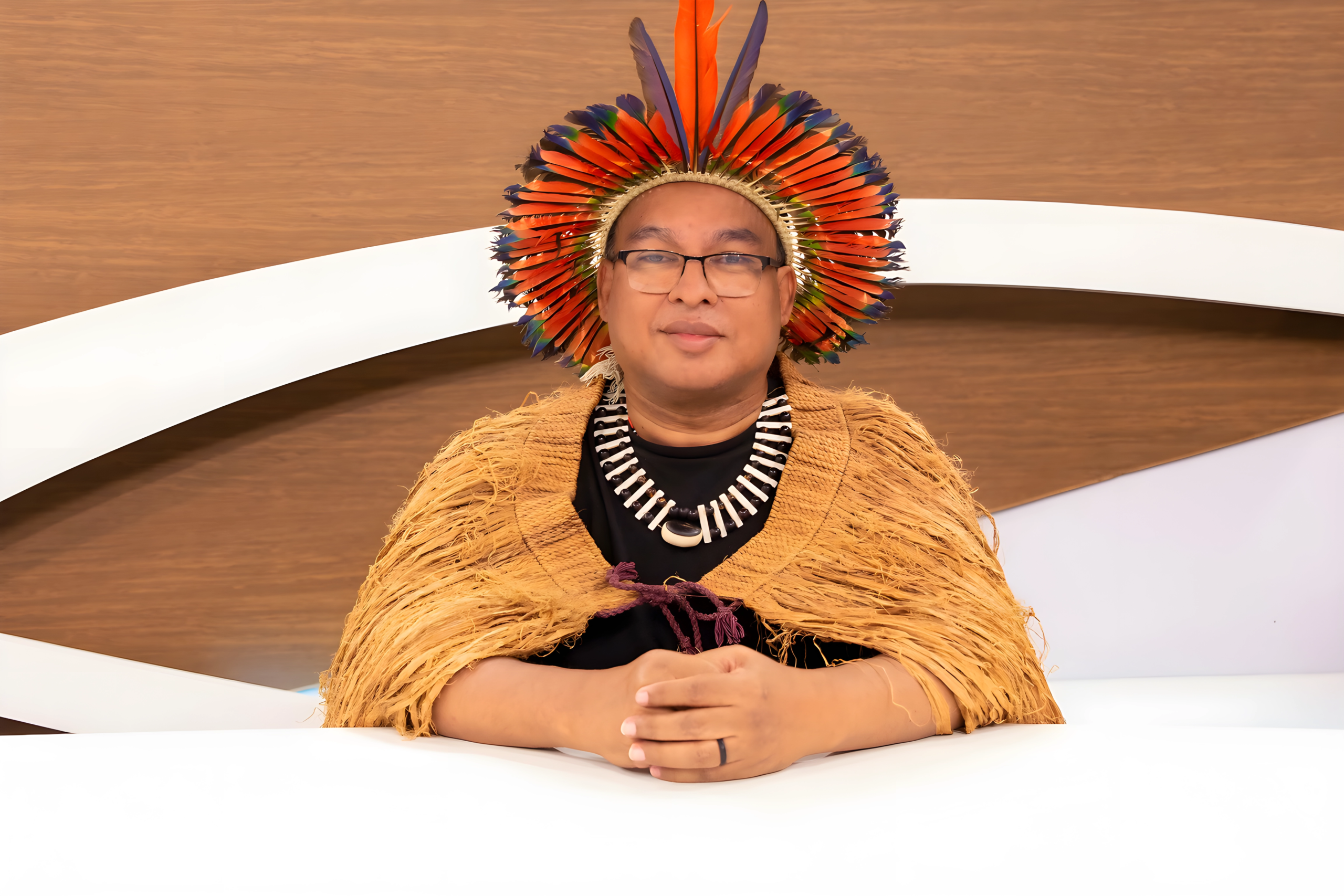
Anápuàka Muniz Tupinambá Hãhãhãe
🏛️Rádio Yandê, Rio de Janeiro Municipal Council for Cultural Policy.
🇧🇷 Brazil
Talk
Indigenous AI: Community Protocols, Data Sovereignty, and Decolonial Ethics for the Global South
Abstract
This talk explores the development of Indigenous AI grounded in community protocols for ethics, data, memory, territory, and governance. Rather than positioning Indigenous peoples merely as research subjects, end users, or populations affected by technology, it proposes recognizing them as knowledge producers, system architects, and creators of ethical principles for digital futures.
Drawing on experiences with Ethnomídia Indígena (Indigenous Ethnomedia), Rádio Yandê, research on Indigenous AI, and debates on information sovereignty, the presentation examines the limitations of universal AI ethics frameworks when they overlook coloniality, algorithmic racism, data extraction, epistemicide, and historical inequalities.
The talk also highlights the importance of community protocols, collective consent, the protection of traditional knowledge, territorial data governance, and the development of technologies that respect Indigenous ways of living, decision-making, and envisioning the future.
Bio
Anápuàka Muniz Tupinambá Hãhãhãe is an Indigenous communicator, journalist, researcher, entrepreneur, and the creator of the concept of Indigenous Ethnomedia in Brazil. He is the founder and CEO of Rádio Yandê, the country's first Indigenous web radio station, the creator of the Yby Festival, and the founder of Mani Bank.
His work focuses on the intersection of communication, technology, culture, public policy, information sovereignty, Indigenous AI, and community-based ethics and data protocols. Through his research and initiatives, he advocates for Indigenous peoples to play a leading role in shaping narratives, digital infrastructures, and technological futures rooted in their own territories, memories, and knowledge systems.
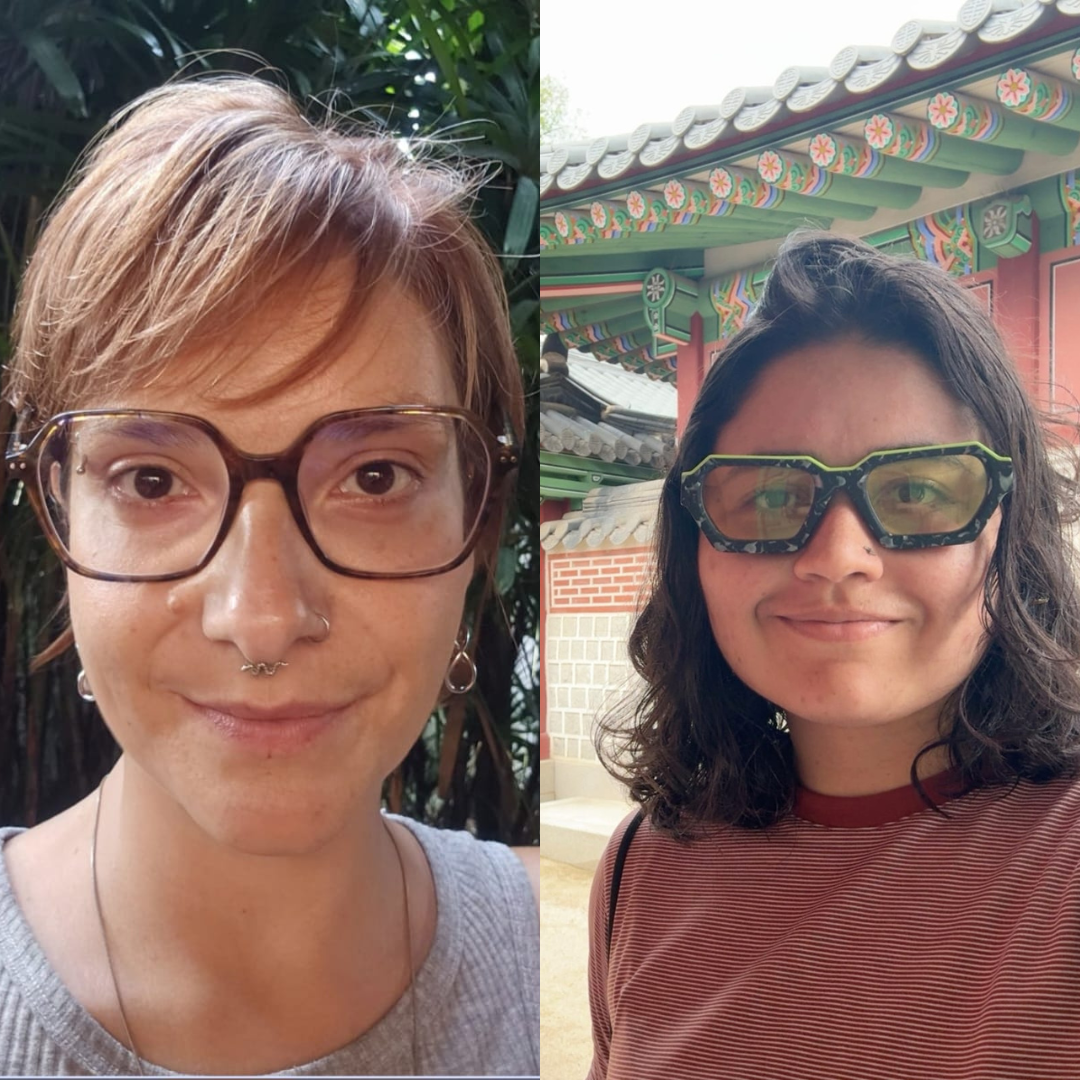
Eduarda Chagas
🏛Kunumi Institute / Federal University of Minas Gerais
🇧🇷 Brazil
Livy Real
🏛Kunumi Institute / Federal University of Amazonas
🇧🇷 Brazil
Workshop
AI Today: How Does This Thing Actually Work?
Full Abstract
In this introductory workshop, participants will explore, in an accessible way, how Large Language Models (LLMs) work. We will begin with a brief history of Artificial Intelligence, tracing the evolution from symbolic Natural Language Processing (NLP) systems to Transformer-based architectures, the foundation of what is now known as Generative AI.
Key concepts such as neural networks, attention mechanisms, big data, and AI agents will be explained intuitively, requiring no prior programming experience. The workshop will conclude with an introductory discussion of the main limitations and challenges of these systems, including bias, hallucinations, and ethical concerns.
The goal is to establish a shared technical vocabulary and a common understanding among LAAI-Ethics participants regarding the technical foundations of Large Language Models.
Biography
Livy Real is a researcher in Natural Language Processing (NLP) and Artificial Intelligence, working at the intersection of industry and academia, as well as linguistics and computer science. She is currently an AI Scientist at the Kunumi Institute and the Institute of Computing at the Federal University of Amazonas (UFAM). She holds a Ph.D. in Linguistics from the Federal University of Paraná (UFPR) in collaboration with LaBRI. Her research focuses on the evaluation of Large Language Models, low-resource language processing, data sovereignty, AI for social good, and the development of responsible AI technologies.
Eduarda Chagas is an Artificial Intelligence researcher at the Kunumi Research Institute and a Ph.D. candidate in Computer Science at the Federal University of Minas Gerais (UFMG), where she is a member of the FutureLab research group. Her research focuses on multi-agent systems based on Large Language Models, telemetry, and information flow control in AI systems. She also investigates methods for generating synthetic and structured datasets for training and evaluating foundation models, particularly in scenarios involving scarce, sensitive, or restricted-access data.